




By Somya Mandal
For many members of the South Asian diaspora, culture can feel deeply familiar and frustratingly distant at the same time. Traditions, languages, and histories are often condensed into broad stereotypes, leaving little room for the rich diversity that exists across the subcontinent. Through her vibrant artwork, Maharashtrian Indian artist, Tara Yamai, is working to change that.
Known online for her colorful portraits of South Asian women, Tara uses art as a way to explore, celebrate, and preserve the rich regional cultures that make up South Asia. While she works full-time as a recruiter at a startup, art remains a vital creative outlet and a meaningful connection to her heritage.
"I really explore my culture through my art," Tara explained. "I really appreciate how it has been a medium for me to explore a lot of different regional styles." For her, one of the most rewarding aspects of creating art is highlighting the diversity that often gets overlooked under the broad label of "South Asian."
As a Maharashtrian American who spent several years living in India during childhood, Tara developed a deep appreciation for the nuances between regions. She believes that these distinctions deserve greater recognition, especially among diaspora communities. "Everybody deserves to feel seen," she said. That philosophy has become the foundation of her work.
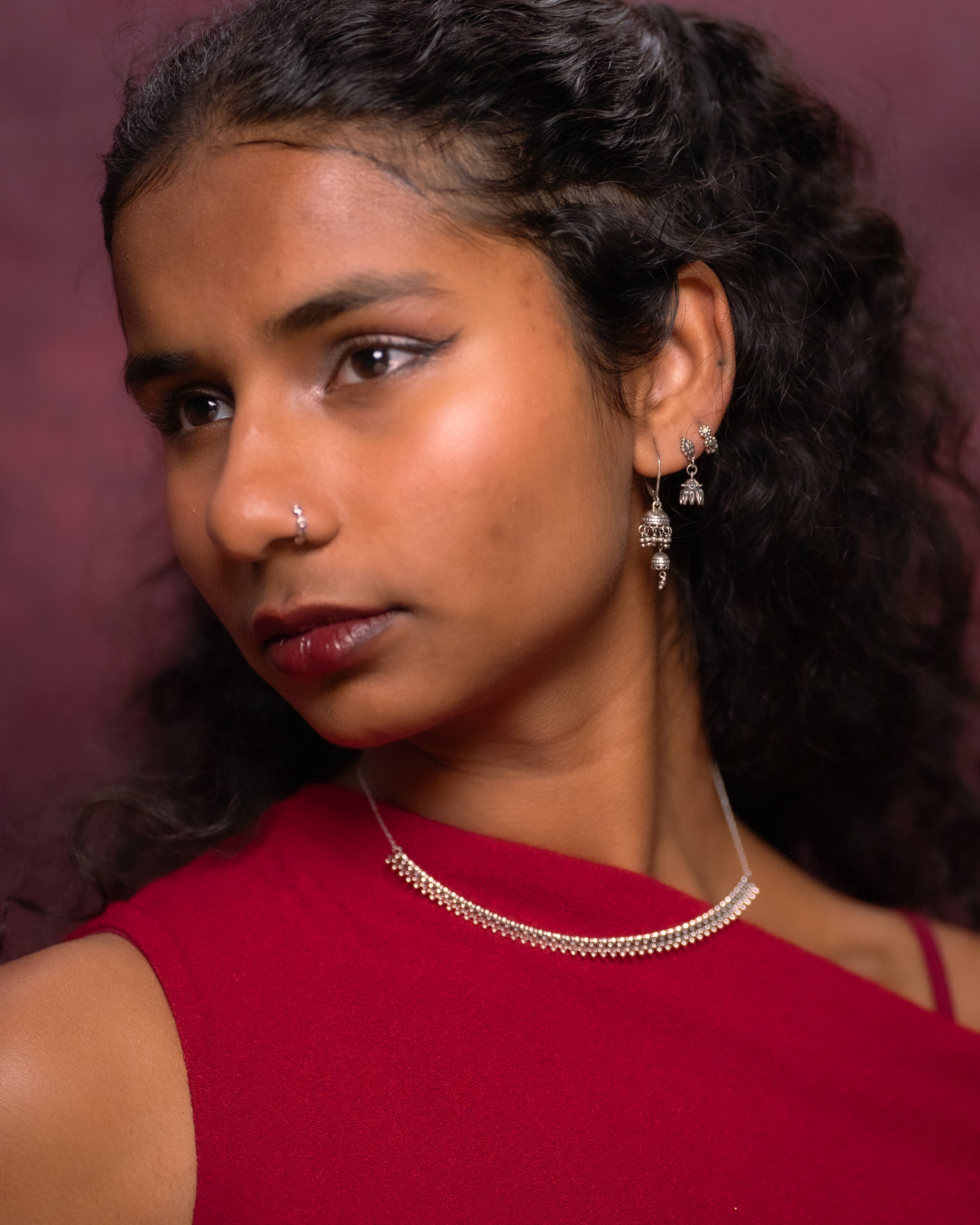
Many of Tara's portraits feature women from different parts of South Asia, each depicted with regionally specific clothing, jewelry, hairstyles, and cultural markers. Whether drawing inspiration from Maharashtra, Kerala, or Sri Lanka, she carefully researches the details that make each culture unique. Her goal is not just to create beautiful artwork, but to tell stories through visual representation.
"I try to draw women from different regions within South Asia and try to highlight the diversity of that," she said. Through these portraits, Tara creates opportunities for viewers to recognize themselves and their communities in ways that mainstream media often fails to provide.
That commitment to representation stems from her own experiences growing up. Having lived in Michigan, Colorado, and Southern California, Tara frequently found herself in environments where there were few South Asians around her. Those experiences shaped both her identity and her artistic perspective.
"When you grow up in a space where there's not a lot of people that look like you, you almost end up reaching out for the culture more because you're feeling a little lost," she reflected.
This search for connection has become one of the defining themes of her work. Tara sees art as a bridge between cultures and generations, particularly for young South Asians trying to understand where they fit in. Her paintings encourage viewers to look beyond simplified representations of South Asia and appreciate the richness of individual communities.
One aspect of her work that stands out is her focus on regional identity. Tara noted that much of what people know about South Asian culture comes from Bollywood, which often highlights only certain regions and aesthetics. As a result, many communities receive little visibility.
"I never grew up thinking it was particularly beautiful," she admitted when discussing Maharashtrian culture. "The older that I've gotten, the more I’ve realised there actually is so much that you can do within this," Tara reflected on her growing appreciation for Maharastrian culture.
Through her art, Tara reclaims that beauty. By spotlighting traditional Maharashtrian jewelry, hairstyles, and clothing alongside those of other communities, she challenges the idea that culture must fit into a single mold. Instead, she demonstrates that South Asian identity is made up of countless stories, traditions, and perspectives.
The significance of Tara's paintings extends beyond representation alone. Her work also serves as an invitation for others to contribute to the cultural landscape. She believes preserving and celebrating culture requires active participation from the community itself.
"If you want to be able to consume Indian art, or Indian dance, or South Asian food, at some point you also have to be the one to step up to the plate to do it," she said.
That message is especially powerful for younger generations of South Asians. Tara's journey demonstrates that creativity, like culture, flourishes when people are willing to embrace their unique perspectives and share them with others.
In a world that often simplifies South Asian identity, Tara Yamai's artwork offers something more authentic. Her portraits remind us that every region, every tradition, and every story deserves to be seen. By celebrating the diversity within South Asia, she is not only preserving culture, but helping others discover pride in their own.
Through every brushstroke and every portrait, Tara creates space for people to recognize themselves. And in doing so, she proves that art can be more than self-expression. It can be a powerful act of cultural preservation, representation, and belonging.