

By Somya Mandal
In her grandmother’s living room in India, a hand-painted backdrop stood propped against the wall. The lighting wasn’t perfect, just a small lamp and whatever filtered in. But it’s one of the photographs Zayira Ray would relive “over and over and over.”
For the New York–based Indian-American photographer, the image isn’t about technical perfection. It’s about presence. Memory. Responsibility.
Raised in Art, Drawn to the Camera
Born and raised in New York City, Zayira grew up immersed in creativity. Her mother is a documentary filmmaker; her father, an economist and art collector hobbyist who introduced her to drawing at a young age. She attended figure drawing classes, formal art programs, and eventually an art high school in NYC, where photography “clicked” freshman year and quickly became an obsession.
She began with iPhone street photography, wandering New York and studying strangers. After getting her first camera, she started staging stylized shoots with classmates and boldly DMing models and agencies at 15 and 16 to build her portfolio. At first, it was about learning the craft. But over time, the work became more personal.
Reclaiming Identity: In New York and India
While studying photography at NYU, Zayira’s practice grew more conceptually grounded. So did her relationship with India.
Like many diaspora kids, she grew up visiting annually, experiencing India through family living rooms and domestic rituals. But as her artistry evolved, she wanted autonomy there too. She began teaching photography workshops with nonprofits in India and exploring beyond familiar spaces. Her work increasingly turned inward, toward identity.
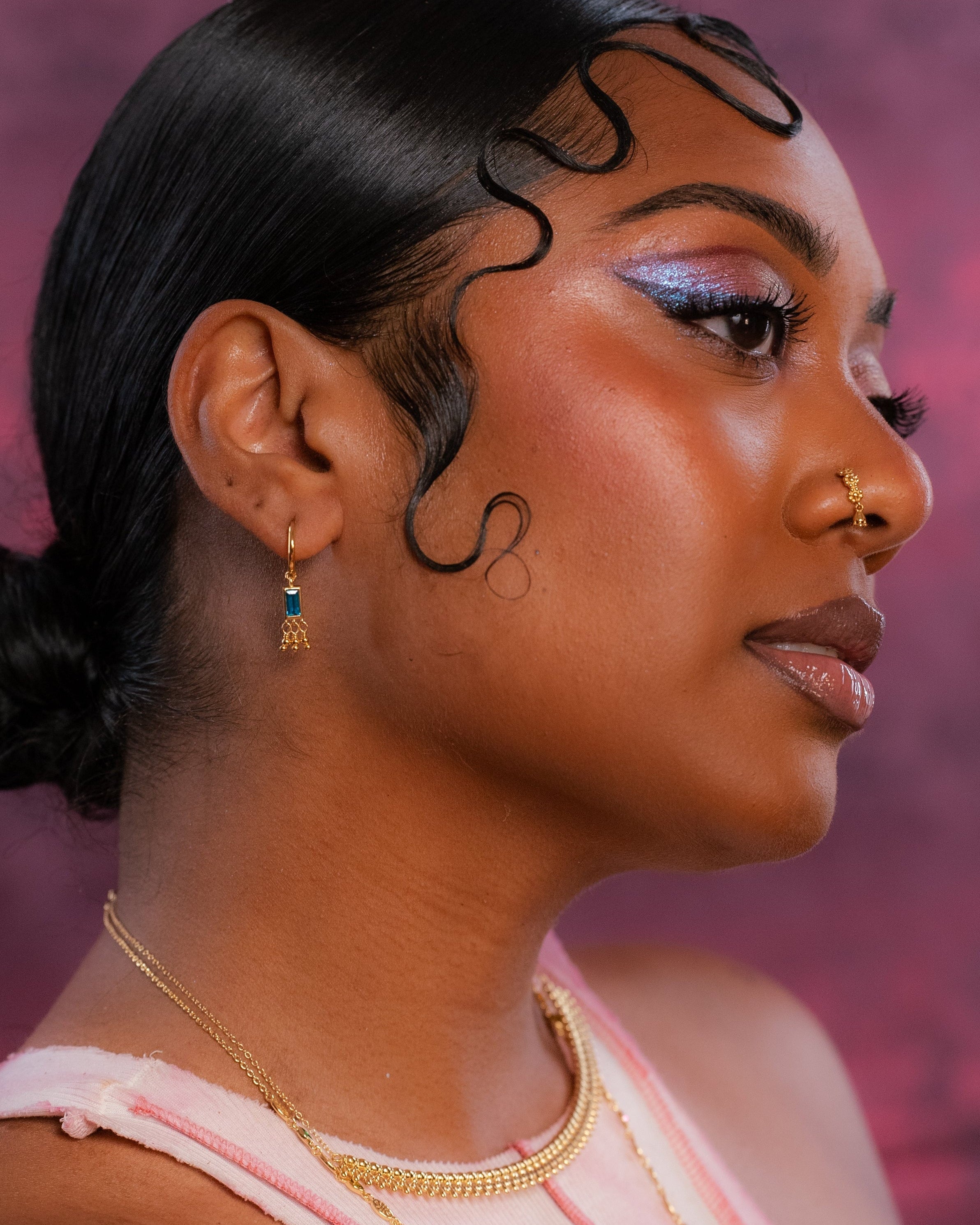
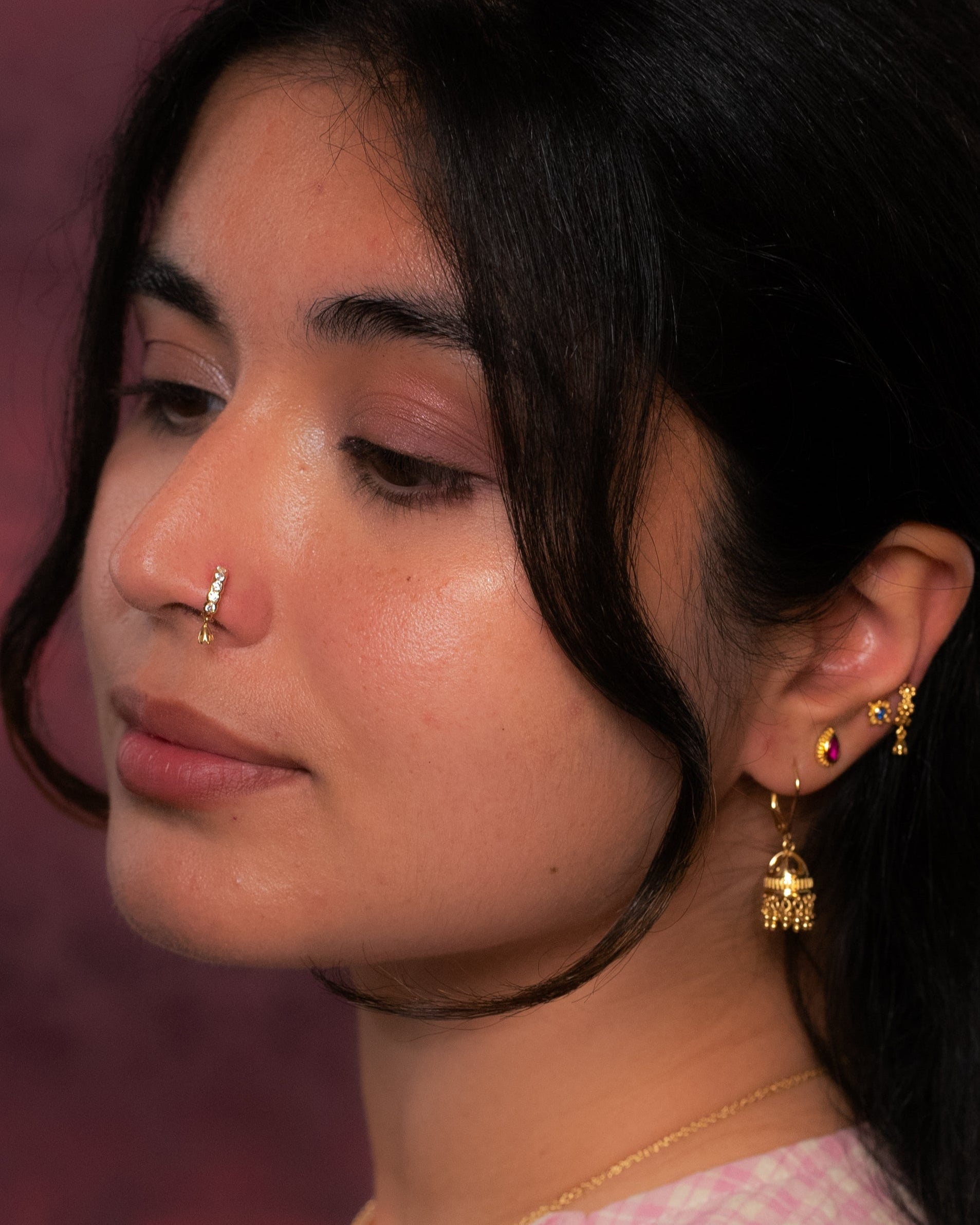
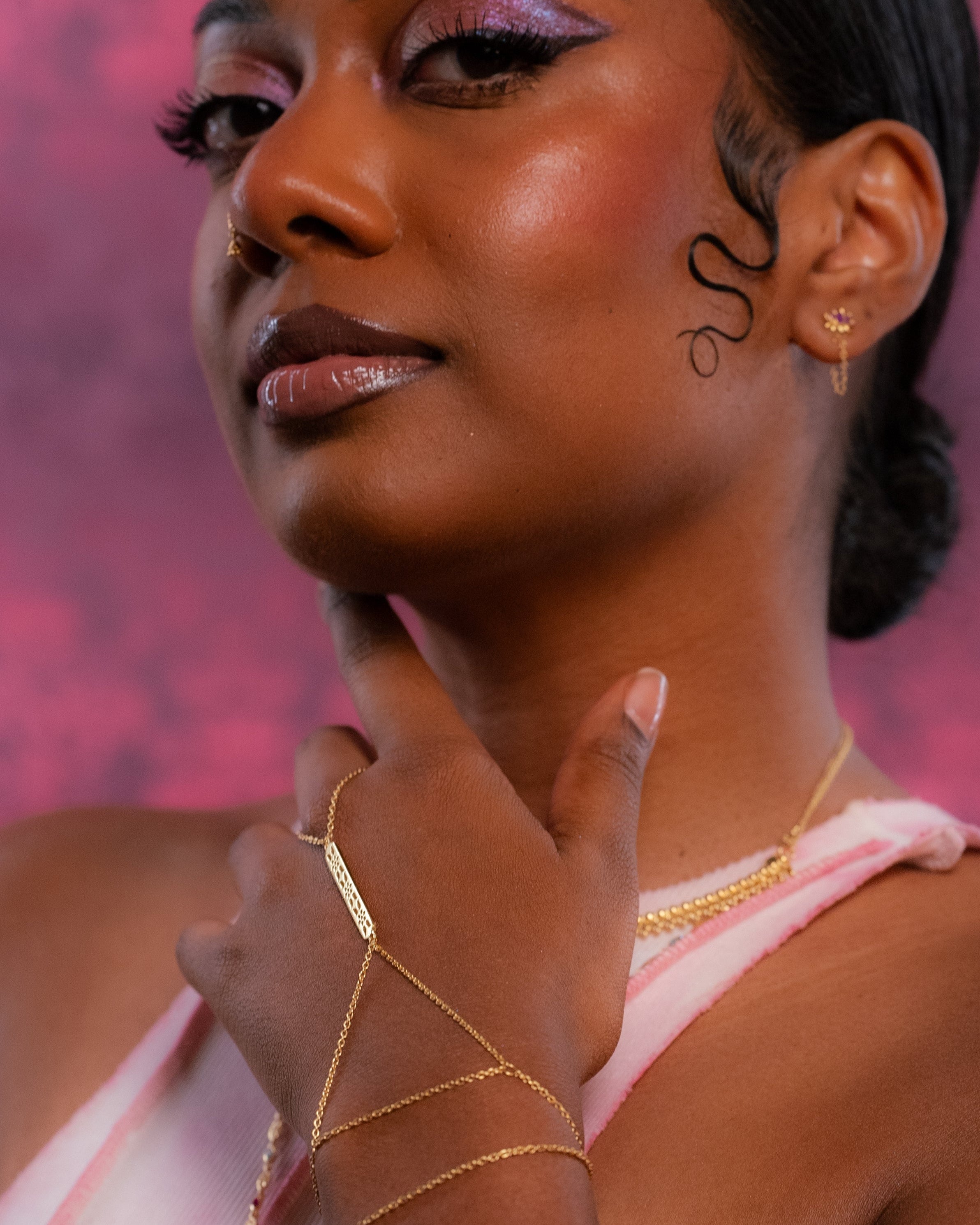
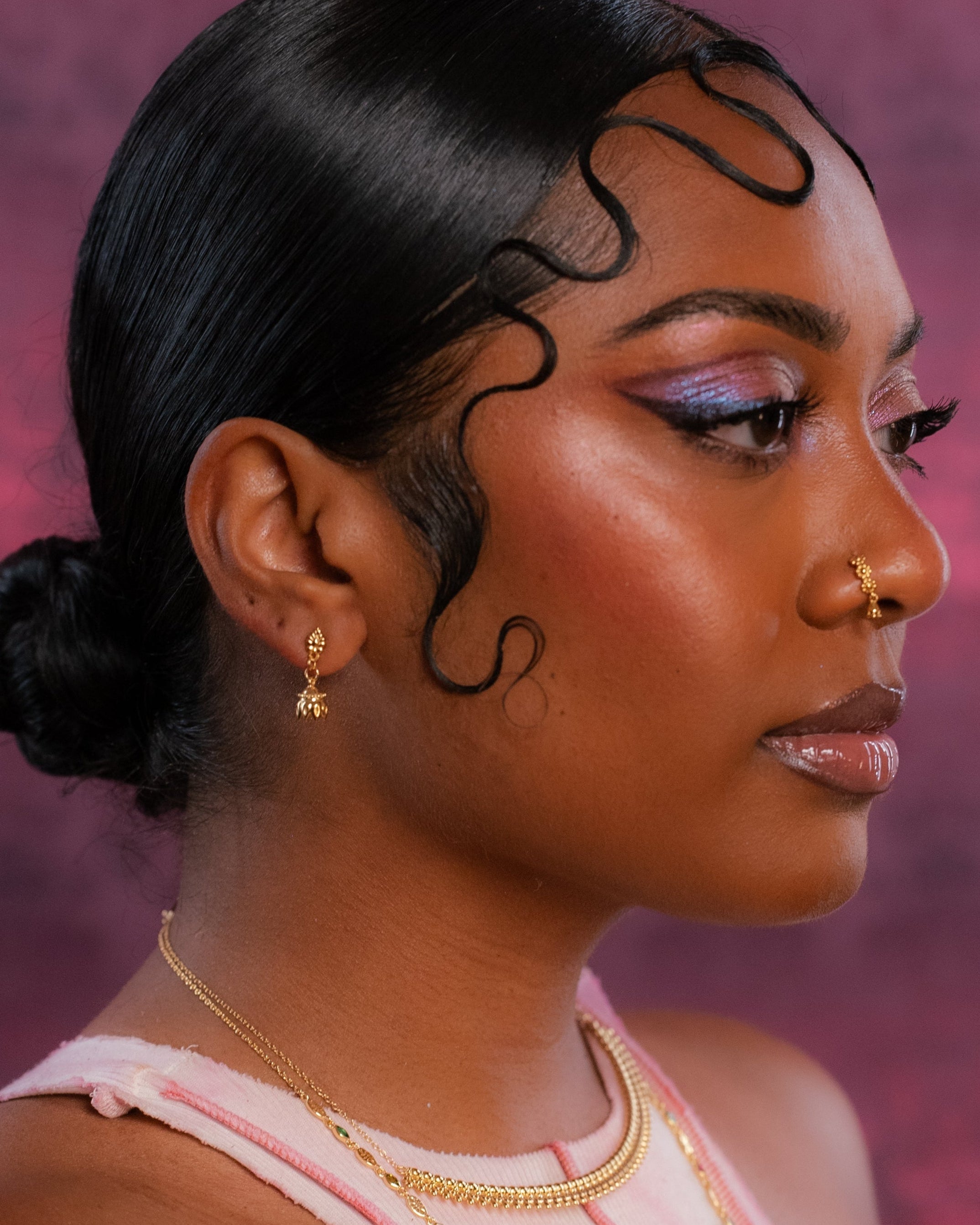
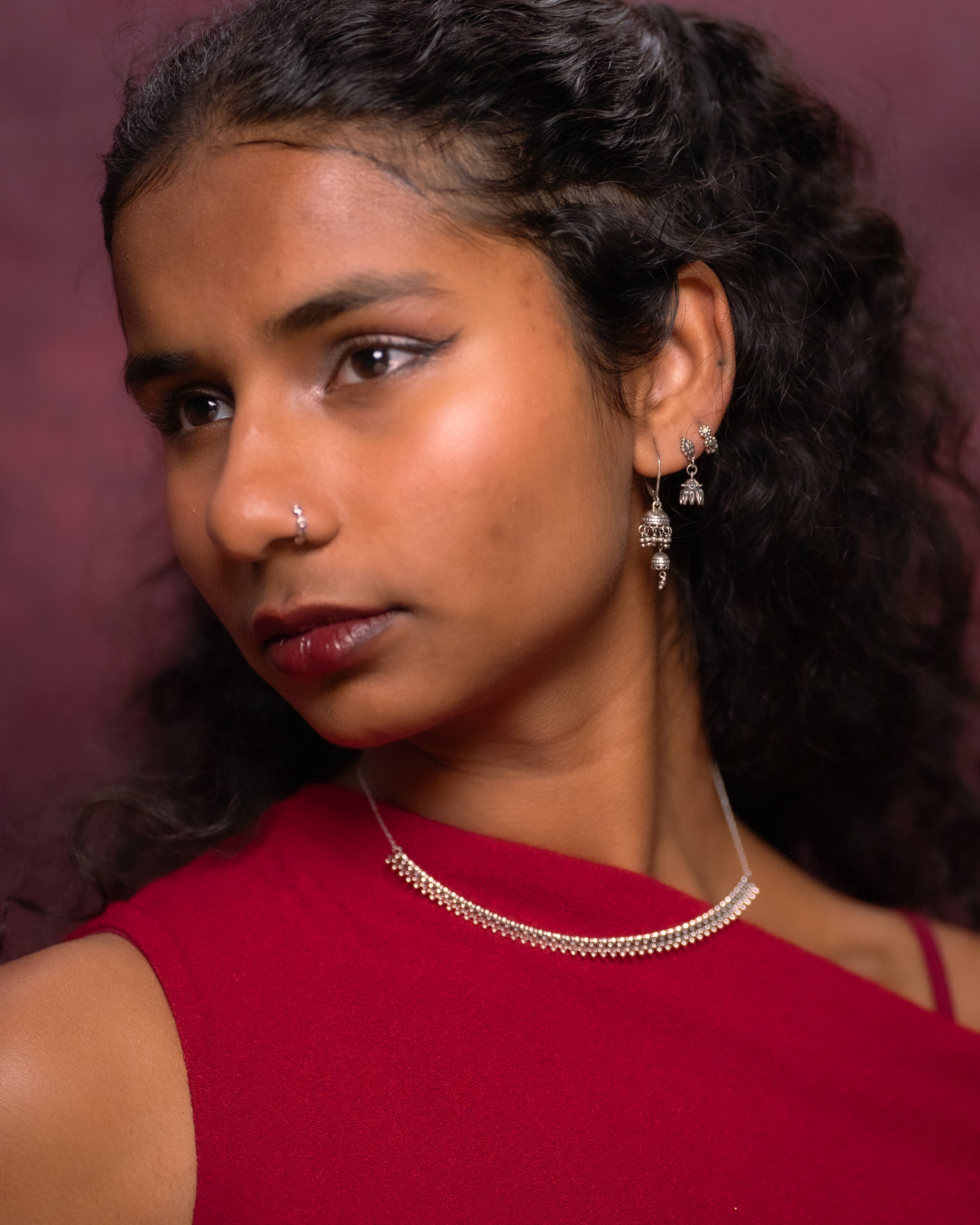
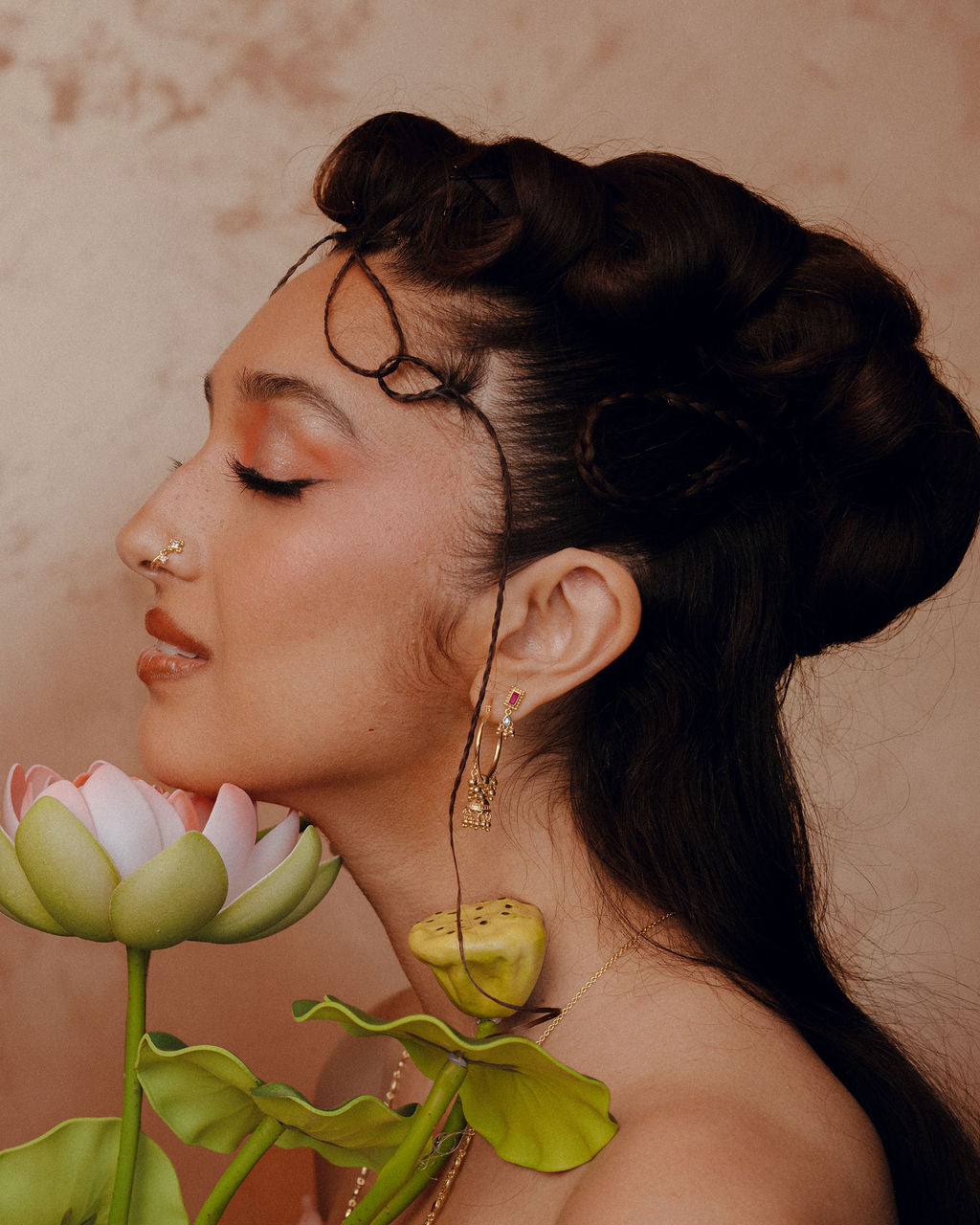
Today, she blends her fashion photography background with documentary portraiture. She paints her own backdrops, creating imaginative, stylized worlds for her subjects. She gravitates toward diasporic stories, immigrants, elders, and people of color, often photographing those who are rarely shown in glamorous, powerful ways.
But her philosophy goes deeper than visibility.
“I’ve become less concerned about representing people and more about how I’m telling those stories… and what my responsibility is to them.”
In an era of trend-based diversity, that distinction is important.
The Emotional Frame
Zayira describes her shooting style as meditative and gentle. She isn’t a high-energy director. Instead, she creates quiet, emotionally safe spaces, sometimes asking subjects to close their eyes, breathe, and slowly reopen them.
Her favorite images aren’t about someone “looking pretty.” They’re about the raw, emotional truth, the subtle shift when self-consciousness drops and something internal surfaces.
When Ray captures it, she knows.
“It’s like an aha moment… something that happens outside of the camera.”
She also embraces editing as an extension of storytelling; color, curation, and presentation are part of the art, much like finishing and framing a painting.
Brown Women, Elders, and Familiar Faces
Her South Asian identity isn’t an add-on to her work, but rather, it's embedded in it.
She finds herself drawn to photographing brown women because she sees herself, her mother, her communities reflected in them. Recently, she’s been especially drawn to elders, particularly after losing her Nani (maternal grandmother). She resists infantilizing older subjects, instead photographing them with dignity and depth.
“I am in every photograph I make,” she says. “Everything that I carry with me… I’m carrying everything in this image.”
That portrait of her Nani and Nana, , imperfectly lit but emotionally luminous, became one of her last meaningful memories with her grandmother. Transforming the living room into a studio created something sacred: a shared moment preserved.
Photography as Connection
Despite her confidence behind the camera, Zayira describes herself as introverted and shy. Photography gives her a reason to approach strangers, to ask simply: Can I photograph you sometime?
It acts as a language and buffer. “If I can just bring my camera with me somewhere, I feel like I can melt into a space and live it in a different way.”
At its core, her work is driven by a quiet fear many of us understand: forgetting, losing people, watching time pass too quickly. The physicality of photography gives her a way to hold on.
In a cultural moment that often reduces brown faces to aesthetics or algorithms, Zayira Ray’s work insists on something deeper. Not just representation, but responsibility. Not just being seen, but being honored.